How to Write Stronger Incident Reports (That Meet NDIS Standards)
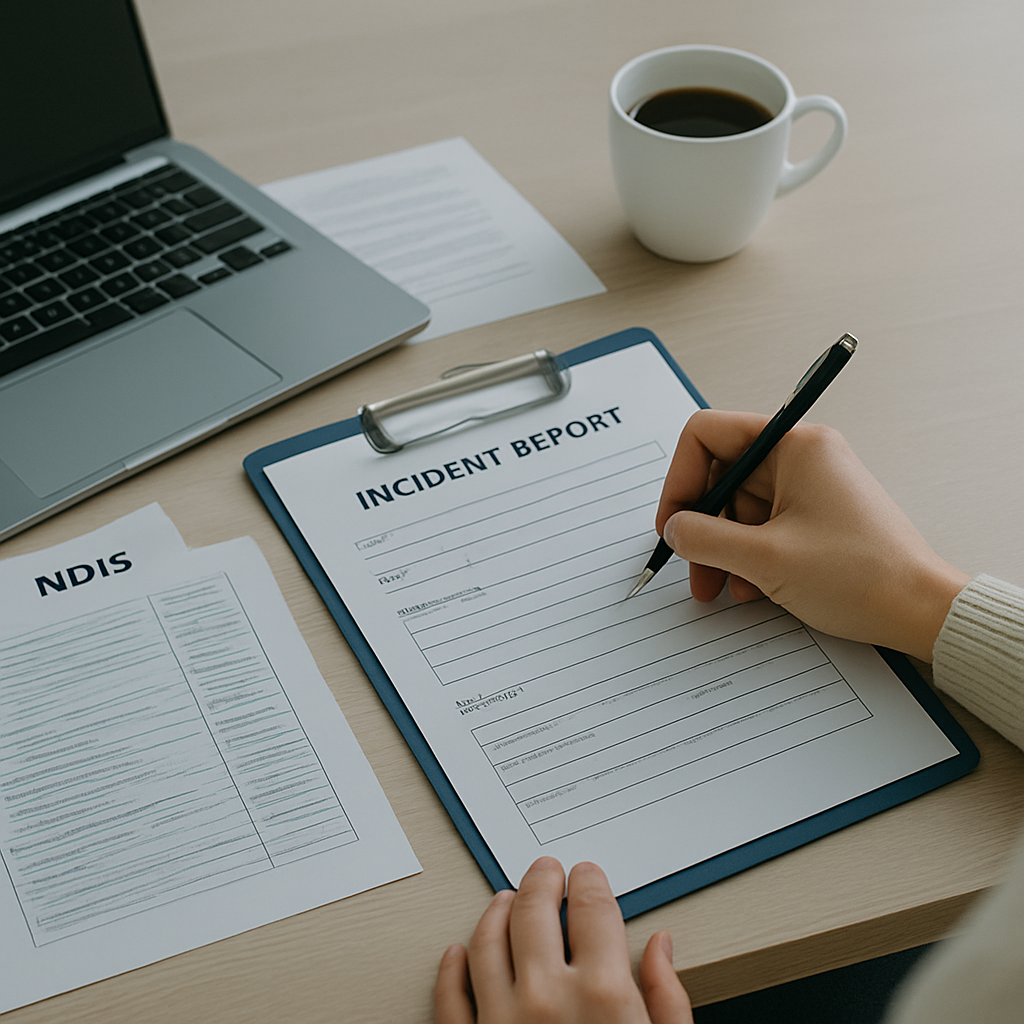
Incident reporting is one of the most common areas where NDIS providers fall short during audits. But strong, clear reports are essential—not just for compliance, but for participant safety and quality improvement.
At Ethospoint, we help providers improve incident reporting systems that align with NDIS Practice Standards, reduce liability, and demonstrate duty of care.
Why Incident Reporting Matters
The NDIS Commission requires providers to document and respond to incidents in a timely, accurate, and effective way. Poor reporting—whether it's vague descriptions, missing data, or delayed lodgement—can lead to non-conformities, provider investigations, or even sanctions.
Common Issues in Incident Reports
Too vague (“client got upset” instead of detailing behavior)
Missing key facts (date, time, staff involved, witness statements)
No analysis of cause or contributing factors
Lack of follow-up actions or risk mitigation
Delayed submission or failure to escalate
What Makes a Strong Incident Report?
Use this checklist to improve report quality:
✅ Be Objective: Stick to facts. Describe what was seen, heard, or done—without assumptions or emotional language.
✅ Be Specific: Include exact time, location, names, and sequence of events.
✅ Use Direct Quotes: If a participant or witness said something relevant, include it.
✅ Include Immediate Actions: Note what staff did to respond, contain, or de-escalate.
✅ Flag for Escalation: Know when an incident becomes a reportable incident to the Commission.
✅ Follow Up: Note if a behaviour plan was reviewed, or if the participant was checked on later.
NDIS Requirements for Reportable Incidents
Providers must report certain serious incidents to the NDIS Commission within 24 hours. These include:
Death of a participant
Serious injury
Abuse or neglect
Unlawful sexual or physical contact
Unauthorised use of restrictive practices
Missing person (if harm is likely)
Ensure you use the NDIS Commission’s My Reportable Incidents portal for these, and notify your Quality and Safeguards contact or key worker.
Tips for Better Team Reporting
Train all staff on how to complete incident forms
Keep templates simple but thorough
Review reports monthly for patterns or gaps
Provide feedback to staff to improve future documentation
Digital systems (e.g. Google Forms, Brevity, SupportAbility) can streamline and standardise reporting
Need a Template?
Ethospoint provides customisable incident report templates and training to help your staff write clear, compliant reports.